

Rwanda Cultural Tours
February 25, 2026
How Difficult is Gorilla Trekking in Uganda?
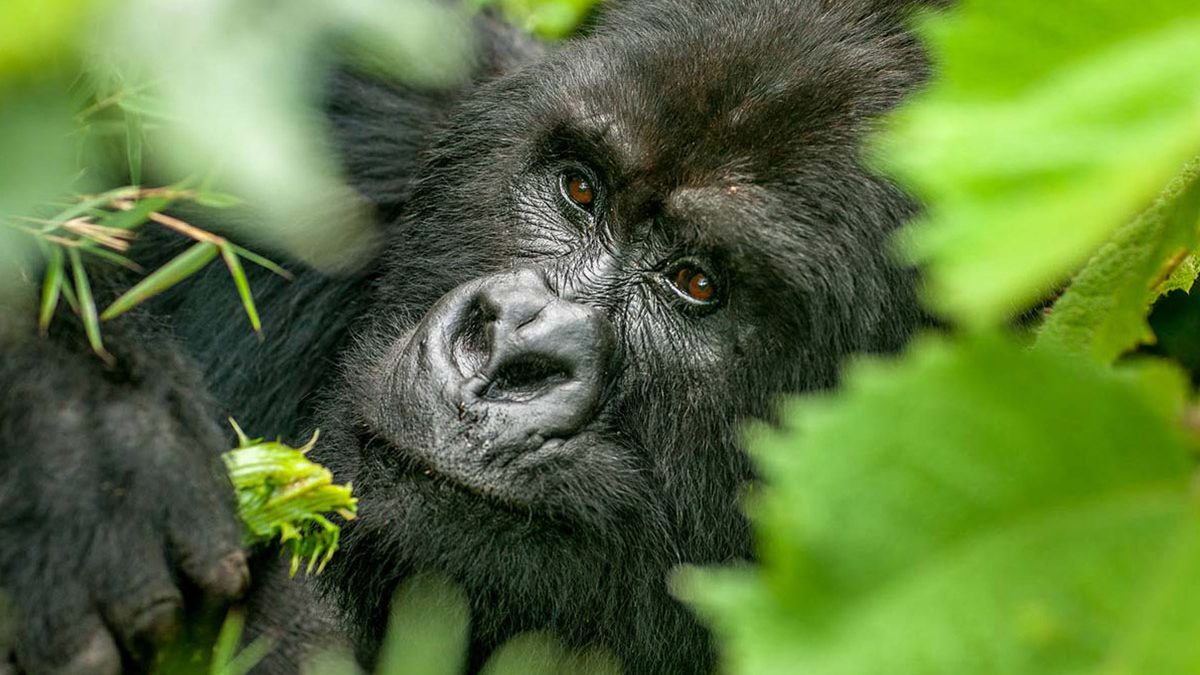
The chance to look into the amber eyes of a mountain gorilla is undoubtedly one of the most transformative wildlife encounters on the planet. This opportunity draws thousands of adventurous travelers to the dense jungles of Uganda every year. However, before booking this once-in-a-lifetime journey, almost every tourist asks the crucial question: how difficult is gorilla trekking? The fear of being physically unable to complete the trek often causes anxiety. This comprehensive guide will break down the true physical demands of the Ugandan jungle. We provide the essential information you need to prepare for this epic adventure in 2026.
Uganda offers two distinct locations for seeing these gentle giants: Mgahinga Gorilla National Park and the world-renowned Bwindi Impenetrable National Park. While Bwindi hosts the majority of habituated families, the nature of the terrain across both parks dictates the challenge. When asking how difficult gorilla trekking is, you must understand that this is not a casual walk in the park. It is a true wilderness experience that requires preparation.
How difficult gorilla trekking is
Understanding the Terrain and Environment
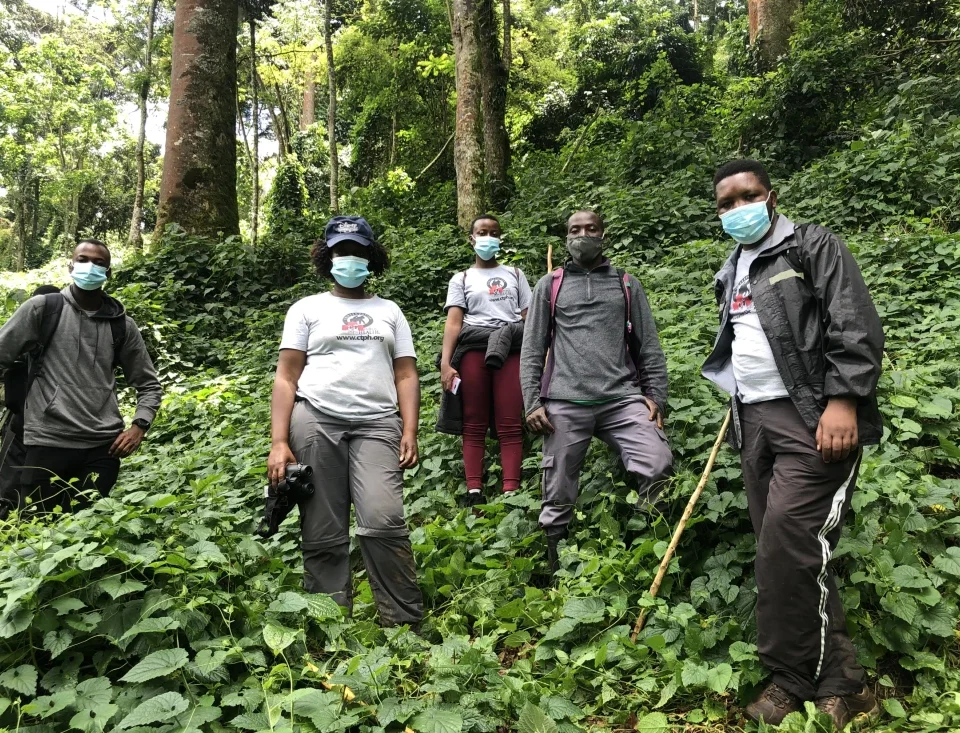
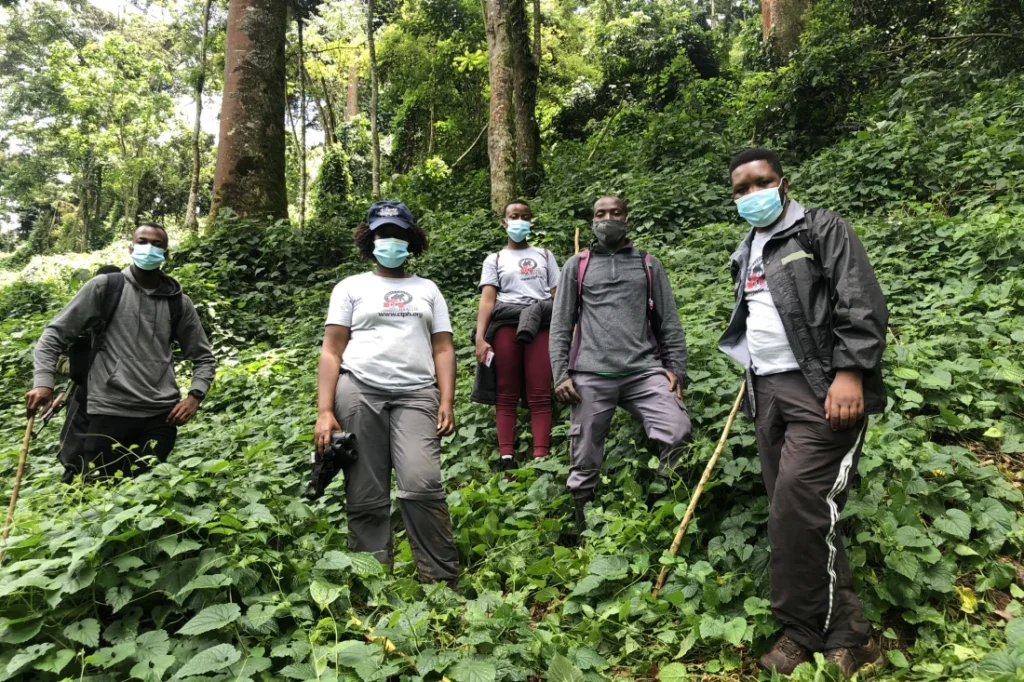
The complexity of the terrain represents the primary hurdle for trackers. Uganda’s gorilla parks are rugged. Forget the manicured trails of European or American national parks. Bwindi’s very name, “Impenetrable,” tells you what to expect. This massive, prehistoric rainforest covers a series of steep ridges and deep valleys. The rangers often use machetes to clear a narrow path through thick undergrowth, vines, and shrubs. The vegetation can be incredibly dense, making every step an exercise in navigation.
Furthermore, the ground is rarely level. You will find yourself constantly ascending or descending. The elevation is another factor that visitors frequently underestimate. Bwindi sits at altitudes ranging from 1,160 to 2,607 meters (3,806 to 8,553 feet). If you arrive directly from a low-altitude city, you might feel the thinner air. Walking up steep slopes at this altitude significantly increases the physical exertion. Consequently, a moderate hike elsewhere feels much more demanding in Bwindi.
Weather and Ground Conditions
When evaluating how difficult gorilla trekking is, you cannot ignore the weather. The tropical climate means rain can fall at any moment, even during the “dry” seasons (June to August and December to February). The rain transforms the dirt trails into slick, muddy slides. Maintaining your balance becomes a full-body workout. You will grab onto trees and bamboo stalks for support, making the trek even more tiring.
Conversely, when the sun is out, the humidity within the dense canopy can feel intense. You will sweat heavily, making hydration critical. The combination of altitude, humidity, and uneven, muddy slopes creates a unique physical challenge that surprises many first-time trackers. This is why we classify the trek as a “moderate” physical challenge that leans toward “difficult” depending on the conditions and the specific gorilla family you are tracking.
The Length of the Trek: Unpredictability is Key
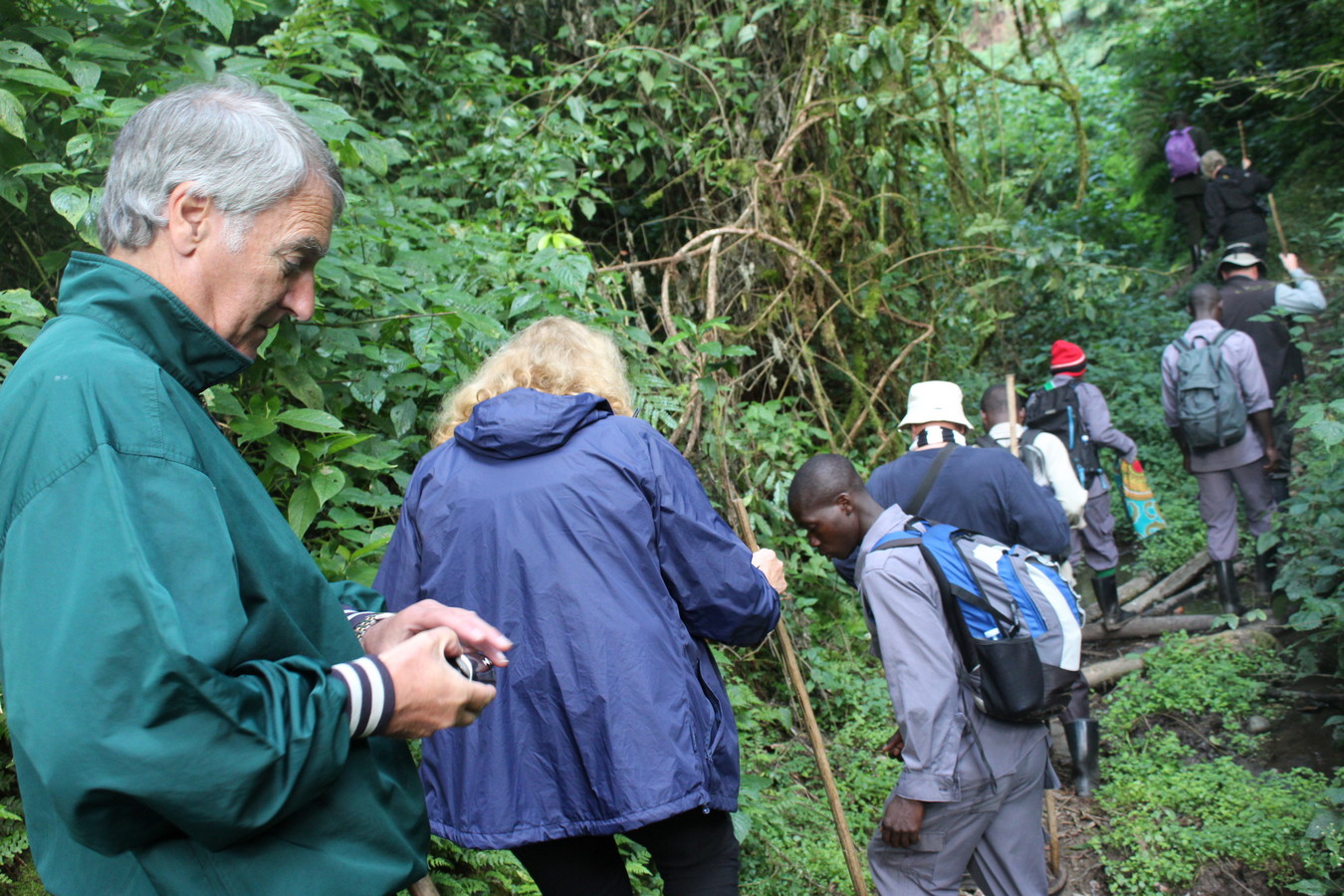
The absolute unpredictability of the duration adds another layer of difficulty. Remember, you are tracking wild animals that move freely across a vast landscape. On the morning of your trek, expert advanced trackers head into the forest to locate the gorilla families from where they slept the night before. Based on their location, you and your ranger-guide will begin your hike.
-
Short Treks: If luck is on your side, you might find the gorillas after just 45 minutes of easy walking near the park boundary.
-
Medium Treks: Most treks fall into the two-to-four-hour range.
-
Long Treks: Some treks can take six or seven hours of rigorous hiking. The gorillas might decide to cross several deep valleys in search of food.
This unpredictability means you must prepare for the longest scenario. You will carry a packed lunch and plenty of water, as you won’t know when or where your encounter will occur. The mental challenge of not knowing “how much further” can be just as demanding as the physical climb itself.
The Solution: Porters and Specialized Gear
So, with all these challenges, how difficult is gorilla trekking for the average traveler? Fortunately, Uganda offers excellent support systems that make the trek achievable for people of varying fitness levels. The most important recommendation we can make is to hire a porter.
Porters are local community members who assist trackers. For a fee ($20-$25), a porter will carry your backpack and provide essential physical support. They will literally push you up slippery slopes or hold your hand as you cross a muddy stream. Their assistance transforms a potentially stressful ordeal into a shared adventure. Crucially, hiring a porter provides direct, vital income to the communities surrounding the park, encouraging them to protect the forest. Using a porter is one of the best ways to reduce the perceived difficulty of the day.
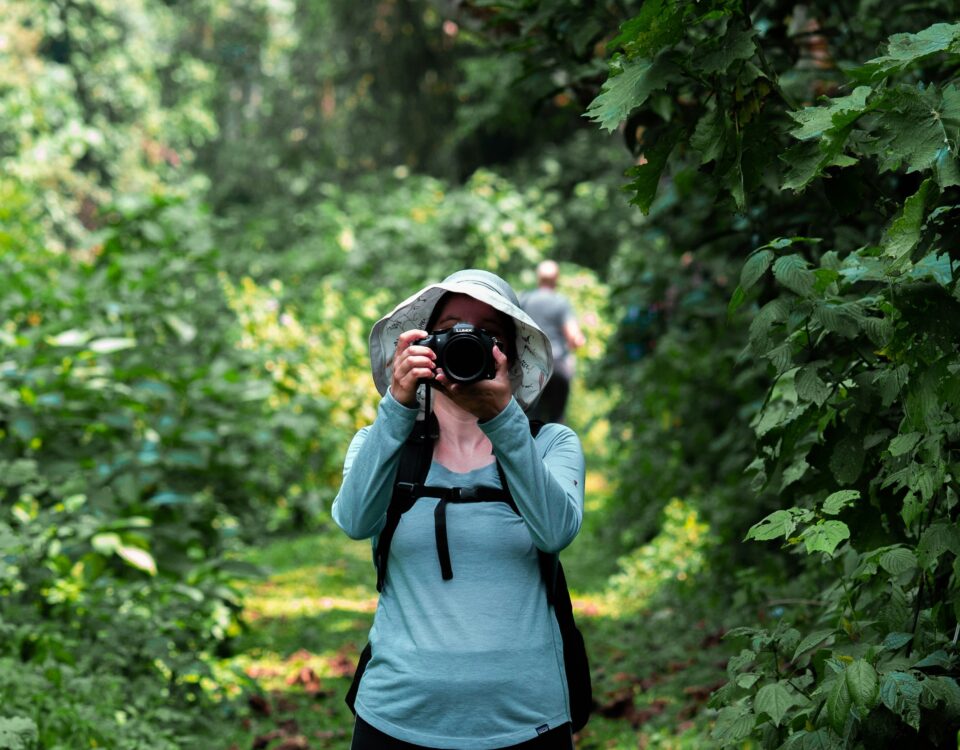
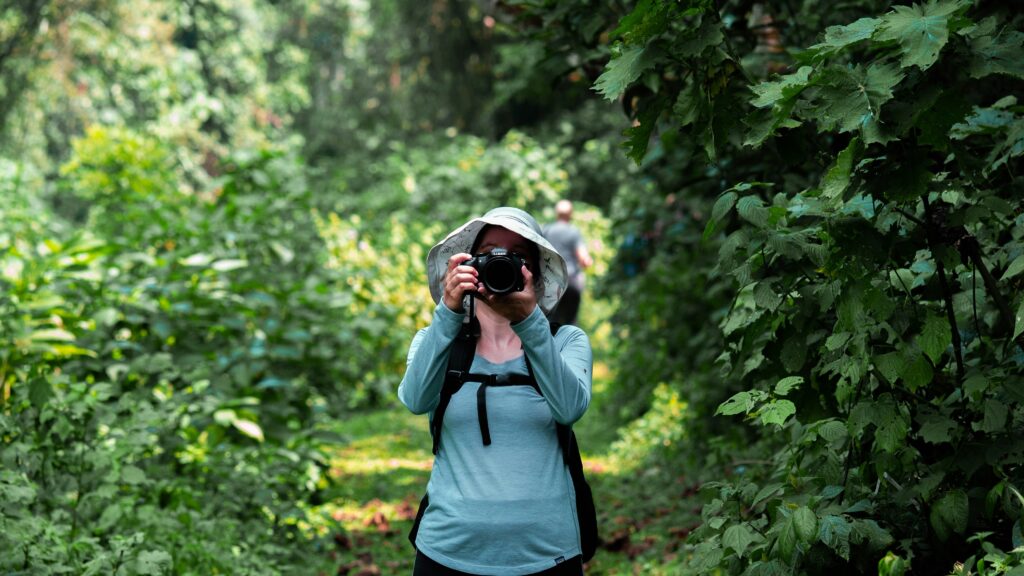
Your gear also directly impacts how difficult gorilla trekking is. Do not attempt this hike in casual sneakers. You need waterproof hiking boots with excellent ankle support and deep grip for the mud. You must wear gardening gloves to protect your hands from stinging nettles as you grab vegetation for balance. Long trousers and long-sleeved shirts protect your skin, and a wide-brimmed hat is vital for both sun and rain. The right gear makes a challenging hike manageable.
How difficult is gorilla trekking?
Conclusion
Gorilla trekking is not an endurance race; it is a profound journey of discovery. When you finally sit in silence and watch a mother groom her infant, the hours of muddy climbing dissolve into irrelevance. The memory of that connection is the only thing that remains.
At Jackal Wild Adventure, we specialize in making this challenging journey accessible and unforgettable. We understand that knowing how difficult gorilla trekking is helps you prepare mentally and physically. We meticulously handle your permits and select the best accommodations to match your needs. Our expert guides offer unparalleled local knowledge and support, ensuring you get the most out of your encounter with these magnificent creatures. We believe that with the right preparation, support, and mindset, anyone with a moderate level of fitness can complete this trek. Join us in Uganda and turn this challenging adventure into the story of your lifetime. Your seat in the mist is waiting; contact Jackal Adventures today to begin planning your journey.




1 Comment
[…] Bwindi is a UNESCO World Heritage site for a reason. This ancient, biologically diverse rainforest dates back over 25,000 years. The name “Bwindi” translates to “a place of darkness,” a nod to the thick canopy that blocks out the sun. Trekking here feels like a true expedition into a prehistoric world. The terrain features steep ridges and slippery valleys, requiring a solid level of physical fitness. […]